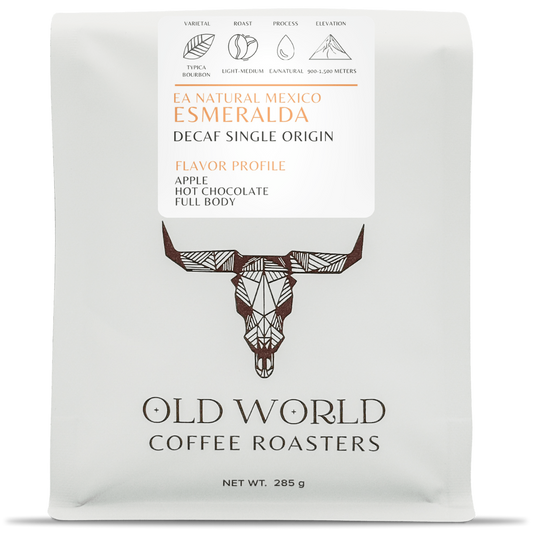
Single Origin vs Blend Coffee: How to Choose

There is a moment that happens in every coffee aisle and on every online shop. You are looking at two bags. One says single origin. The other says blend. Both look good. Both smell like the start of a better morning. And somewhere in the back of your mind, a small question forms: which one is the right choice?
The honest answer is that there is no wrong choice here. Single origin and blend coffee are two different paths to the same goal, which is a cup you actually look forward to. Understanding the difference just helps you choose with a little more confidence and a lot less guesswork.
What Single Origin Coffee Really Means
Single origin coffee comes from one place. That might be a single country, a single region, a single farm, or even a single lot within a farm. When you see a coffee labeled as a Colombian single origin from Las Nubes or a Salvadoran coffee from Loma La Gloria, you are looking at beans grown in one specific place, shaped by that region's soil, elevation, and climate, and by the hands of the people who tend it.
Because nothing is blended in, a single origin lets the character of that one place come through clearly. You might taste bright citrus, soft chocolate, stone fruit, or a floral note that seems to shift as the cup cools. Single origin coffee is a wonderful way to explore, to taste the difference between one harvest and the next, and to connect the coffee in your hand to the farmers who grew it.
What a Blend Brings to the Cup
A blend combines coffees from more than one origin, chosen and balanced on purpose. Where a single origin celebrates one place, a blend is about harmony. A roaster selects each component so its strengths cover for the others, building a cup that is consistent, rounded, and dependable from bag to bag.
Blends are often the workhorses of the kitchen. They tend to be forgiving, they hold up beautifully to milk, and they shine as espresso. If you want a cup that tastes the same satisfying way every morning without much thought, a well-built blend is hard to beat.
So Is One Better Than the Other?
Neither is better. They are built for different reasons. A single origin is an invitation to taste something specific and often changing. A blend is a promise of balance and consistency you can count on. Plenty of people who drink coffee at home keep one of each on the shelf, and there is a lot of wisdom in that.
How to Choose the Right Coffee for You
A few simple questions make the decision easy.
- How do you brew? Pour over, drip, and other filter methods tend to show off the clarity and nuance of a single origin. Espresso and milk-based drinks often love the body and balance of a blend.
- What does your morning look like? If your routine moves fast and you want reliability, reach for a blend. If you have a few quiet minutes to taste and notice, a single origin rewards the attention.
- What are you curious about? If you want to explore flavors, follow a harvest, or learn where your coffee comes from, single origin is your path. If you have found a taste you love and want it every day, a blend keeps that comfort close.
- Are you sharing it? Blends tend to please a wider table. Single origins are a lovely way to give someone a small adventure in a cup.
A Simple Place to Start
If you are still unsure, start with what fits your everyday. Keep a blend on hand for the mornings that move quickly, and pick up a single origin when you want to slow down and taste something new. Over time you will notice what you gravitate toward, and that is really all "knowing your coffee" means. There is no test here, and no wrong answer. Just better coffee for real life.
Every coffee we roast, whether it stands alone as a single origin or joins a blend, is handled with care from the farm to your cup. That is the part that never changes.
Slow down, drink up.