How to Store Coffee Beans to Keep Them Fresh

You spent good money on good coffee. The last thing you want is for it to taste flat by the end of the week. The good news is that keeping your beans fresh is simple once you understand what actually works against them, and none of it requires special gear or a lot of effort.
Here is how to store your coffee so every cup tastes the way the roaster intended.
What Actually Makes Coffee Go Stale
Four things slowly wear coffee down: air, moisture, heat, and light. Oxygen is the biggest culprit. The moment coffee is roasted, it begins releasing carbon dioxide and slowly taking on oxygen, and oxygen is what dulls the bright, sweet, complex flavors you paid for. Moisture and heat speed the process along, and light does its own quiet damage over time.
So the goal is straightforward. Keep air, moisture, heat, and light away from your beans, and you protect the flavor.
The Simple Rules for Fresh Coffee at Home
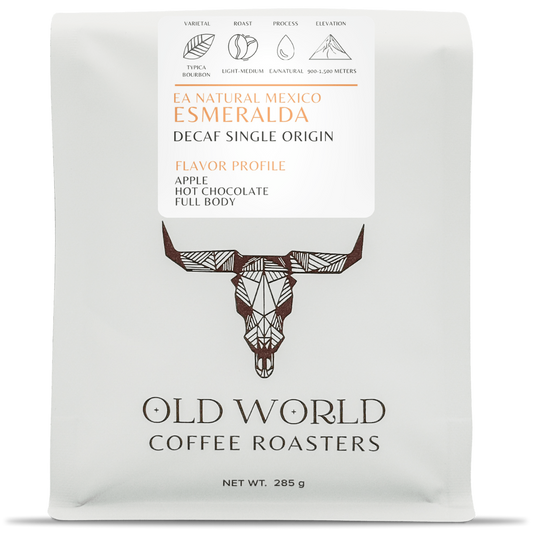
Keep it sealed and airtight. An airtight container is the single most effective thing you can do. If your coffee came in a resealable bag with a one-way valve, that bag is built for the job. Press the air out, seal it, and you are in good shape. If you prefer a container, choose one that is opaque and seals completely.
Store it somewhere cool, dark, and dry. A pantry shelf or a closed cabinet away from the stove is ideal. Avoid the counter next to the oven, the windowsill, and anywhere that heats up during the day.
Buy whole bean when you can. Whole beans hold their freshness far longer than pre-ground coffee because less surface area is exposed to air. Grinding right before you brew is the biggest single upgrade most people can make to their cup at home.
Buy in amounts you will actually drink. Coffee is at its best in the first few weeks after roasting. Rather than stocking up on a large quantity that sits open for a month, buy what you will finish in two to three weeks. Fresh and frequent beats bulk.
Should You Freeze Your Coffee?
This is the question we get most, and the honest answer is usually no. For coffee you plan to drink within a few weeks, the freezer creates more problems than it solves. Every time beans move in and out of a cold freezer, condensation forms, and moisture is one of the things you are trying to avoid.
If you genuinely need to store coffee longer, freezing can work, but only if you do it carefully. Divide the beans into small, single-use portions, seal each one in a truly airtight container, and take out only what you need without thawing and refreezing the rest. For most people and most weeks, though, a sealed bag in a cool cabinet is all you need.
What About the Fridge?
Skip it. The refrigerator is humid, and it is full of strong smells that coffee readily absorbs. Your beans deserve better than tasting faintly of last night's leftovers.
The Short Version
Keep your coffee sealed, cool, dark, and dry. Buy whole bean, grind fresh, and buy in amounts you will finish while the coffee is still at its peak. Do that, and the care that went into growing, sourcing, and roasting your coffee carries all the way through to your cup.
Because good coffee is worth slowing down for.
Slow Down, Drink Up.
Want coffee that arrives fresh and stays that way? Explore our current lineup or start a subscription so a fresh bag shows up right when you need it.