Washed, Natural, and Honey Coffee, Explained
Before coffee ever reaches your grinder, it goes through a step that shapes its flavor as much as the farm or the roast: processing. This is what happens to the coffee cherry after it is picked and before the green bean is dried, bagged, and shipped to us. The three methods you will see most often are washed, natural, and honey. Each one pulls something different out of the same fruit.
Here is a plain look at what sets them apart, and how to use that knowledge to find coffees you love.
Start with the cherry
Coffee grows as a fruit. Inside each cherry is a seed, which is the bean we roast. Between the seed and the outer skin sits a layer of sweet, sticky pulp called mucilage. How a producer handles that fruit and that mucilage during drying is what defines the processing method, and it leaves a clear fingerprint in the cup.
Washed coffee
In the washed process, the fruit is removed early. The cherry is pulped, then the beans are fermented and washed to strip away the remaining mucilage before they go to dry. What is left is the bare seed, drying on its own.
Because the fruit comes off before drying, washed coffees tend to taste clean, bright, and clear. The character of the bean and the growing region comes through without much interference. If you enjoy a cup that is crisp and defined, with acidity you can taste plainly, washed coffee is a natural home. Many of our Colombian coffees are washed for exactly this reason.
Natural coffee
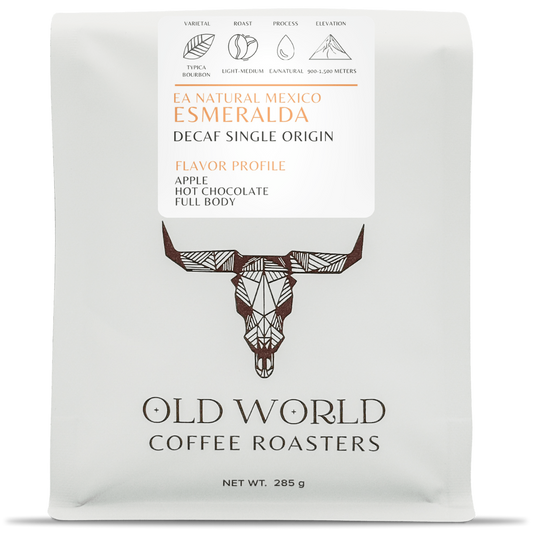
The natural process is the oldest method there is. The whole cherry is dried intact, fruit and all, often on raised beds or patios over several weeks. As it dries, the bean sits inside the fruit the entire time, slowly taking on its sweetness.
The result is a cup that leans fruity, heavy, and sweet, sometimes with notes that read like berries or ripe stone fruit. Naturals ask more of the producer, since the fruit has to dry evenly to avoid off flavors, which is why careful farms take such pride in them. If you like a coffee with a bigger body and obvious fruit character, reach for a natural.
Honey coffee
Honey processing sits between the two. The skin of the cherry is removed, but some or all of the sticky mucilage is left on the bean as it dries. There is no honey involved. The name comes from how tacky the beans feel during drying.
Leaving that fruit layer on gives honey coffees a sweetness and roundness that borrows from both sides: more body and sugar than a washed coffee, more clarity than a natural. Producers often describe them by how much mucilage stays on, from white to yellow to red to black honey, with more fruit left on the darker end. Our Loma La Gloria Red Bourbon from El Salvador is a honey coffee, and it shows that mellow, fruit-forward balance well.
So which one is for you?
There is no better or worse here, only different. A good rule of thumb: choose washed for a clean and bright cup, natural for a sweet and fruity one, and honey for something rounded in between. The best way to learn your own preference is to taste across all three and notice what you reach for again.
Processing is one more place where care shows up in the cup. Every method takes patience and skill from the people who grow and dry the coffee, long before it reaches us. When you find the style you love, you are tasting their work.
Slow Down, Drink Up.